Disclosure: This article may contain affiliate links. We may earn a commission at no additional cost to you.
Table of Contents
ToggleTop 5 Best Gaming Headsets Under $100
Introduction
Shopping for a great gaming headset under $100 can feel like walking a tightrope — you want comfort, good sound, and a reliable mic, but without spending big money. Luckily, recent models show that sub-$100 headsets are more capable than ever. Whether you’re gaming on console, PC, or traveling with a laptop, the right budget headset can seriously upgrade your experience. Below are five standout picks that combine value, performance, and durability — plus a buyer’s guide to help you choose the right one for your needs.
1) Logitech G432
The Logitech G432 is a wired gaming headset that punches well above its price point, offering a solid all-rounder experience. It features 50 mm audio drivers and DTS Headphone:X 2.0 surround sound, which gives a wider spatial feel in games when used on PC via USB. According to Logitech’s specs, the headset weighs around 280 g and comes with a 2 m cable, making it comfortable and long enough for most gaming setups.
The mic is a 6 mm unidirectional boom with a cardioid pickup pattern, which ensures your voice comes through clearly and helps reduce ambient noise. There’s a flip-to-mute function too, so you can quickly silence yourself when needed. Build-wise, the G432 mixes durable plastic with a metal-reinforced headband, and the ear cushions are covered in leatherette for a soft, closed-back design.
On the sound front, the 50 mm drivers deliver a lively audio profile: bass hits are satisfying, mids are clear, and highs are decent enough for gaming. For competitive play, the surround sound helps with directionality — though some users on Reddit note that the surround can feel less effective or “muffled” depending on software settings.
This headset supports both USB (for surround) and 3.5mm jack, making it compatible with PC, consoles, and mobile devices without much fuss. At a price around US$49.99 (often discounted from ~$70), it’s one of the best value headsets for gamers who want flexibility, a good mic, and virtual surround on a budget.
2) Ozeino Wireless Headset
The Ozeino Wireless Gaming Headset is a standout pick for gamers who need untethered gameplay without breaking the bank. With USB 2.4 GHz and Bluetooth 5.3 connectivity, it offers wide compatibility — you can connect to your PC, PS5, Switch, mobile, or laptop effortlessly. This flexibility alone makes it a strong contender in the sub-$100 range.
Battery life is impressive, too: Ozeino claims 40+ hours of use, which is rare for budget wireless headsets. The padded earcups and adjustable headband provide comfort even during extended play sessions, while the flip mic is reliable for voice chat. The mic’s design helps reduce background noise, making it suitable for multiplayer coordination or streaming.
In terms of sound, the headset delivers a balanced profile: the bass is clear, but not overwhelming, and mid-range vocals remain crisp. For a budget wireless model, you’re not losing too much compared to wired options — especially given its long playtime.
Build quality feels solid: the plastic frame has just enough rigidity, and the overall finish doesn’t feel cheap. Because of its wireless capabilities, this headset is perfect for players who don’t want to be restricted by cables or who move between devices throughout the day.
That said, with its low price (around $40.36), some compromises exist: the mic isn’t professional-grade, and latency might be noticeable in very competitive games. But for casual and mid-level gaming, it’s an excellent value. If you want flexibility, comfort, and long battery life on a very budget-friendly headset, this Ozeino model is hard to beat.
3) HyperX Cloud II
The HyperX Cloud II has long been a favorite in the budget gaming headset space, and for good reason. Its design uses soft memory-foam ear pads, a lightweight aluminum frame, and a detachable boom mic — all built for comfort during long gaming or work sessions. According to HyperX, it’s compatible with PC, Mac, and console, and offers virtual 7.1 surround sound via its USB control box. Under the hood, the Cloud II uses 53 mm drivers with neodymium magnets, which deliver rich and dynamic audio. The headset’s USB audio control box includes built-in DSP (digital signal processing) and an easy-to-toggle 7.1 surround button. On PC, activating virtual 7.1 helps with spatial audio, giving a better sense of directionality — useful in games like shooters or open-world titles.
Microphone-wise, the Cloud II features a flexible, detachable boom mic that’s known for clear voice pickup and good noise isolation. This makes it great for team chat, streaming, or just talking to friends. The build is sturdy yet comfortable: the memory foam keeps its shape, and the aluminum headband resists daily wear.
One of the biggest strengths of this headset is its comfort and long-term usability. Long gaming sessions don’t wear you out, and the passive noise isolation is solid. The trade-off: you’ll probably need a USB port to fully unlock its 7.1 surround features, and at ~$79.99 (down from ~$94.99) it’s not the cheapest, but it’s a reliable, well-reviewed choice for serious gamers on a budget.
4) 2.4 GHz Wireless / Bluetooth 5.3 Headset
This generic “2.4 GHz Wireless Gaming Headset” (Bluetooth 5.3 version) offers an appealing mix of long-range connection and modern wireless flexibility. Priced around $46.74, it supports both low-latency 2.4 GHz for gaming and Bluetooth 5.3 for mobile or casual use, giving it a dual-mode advantage.
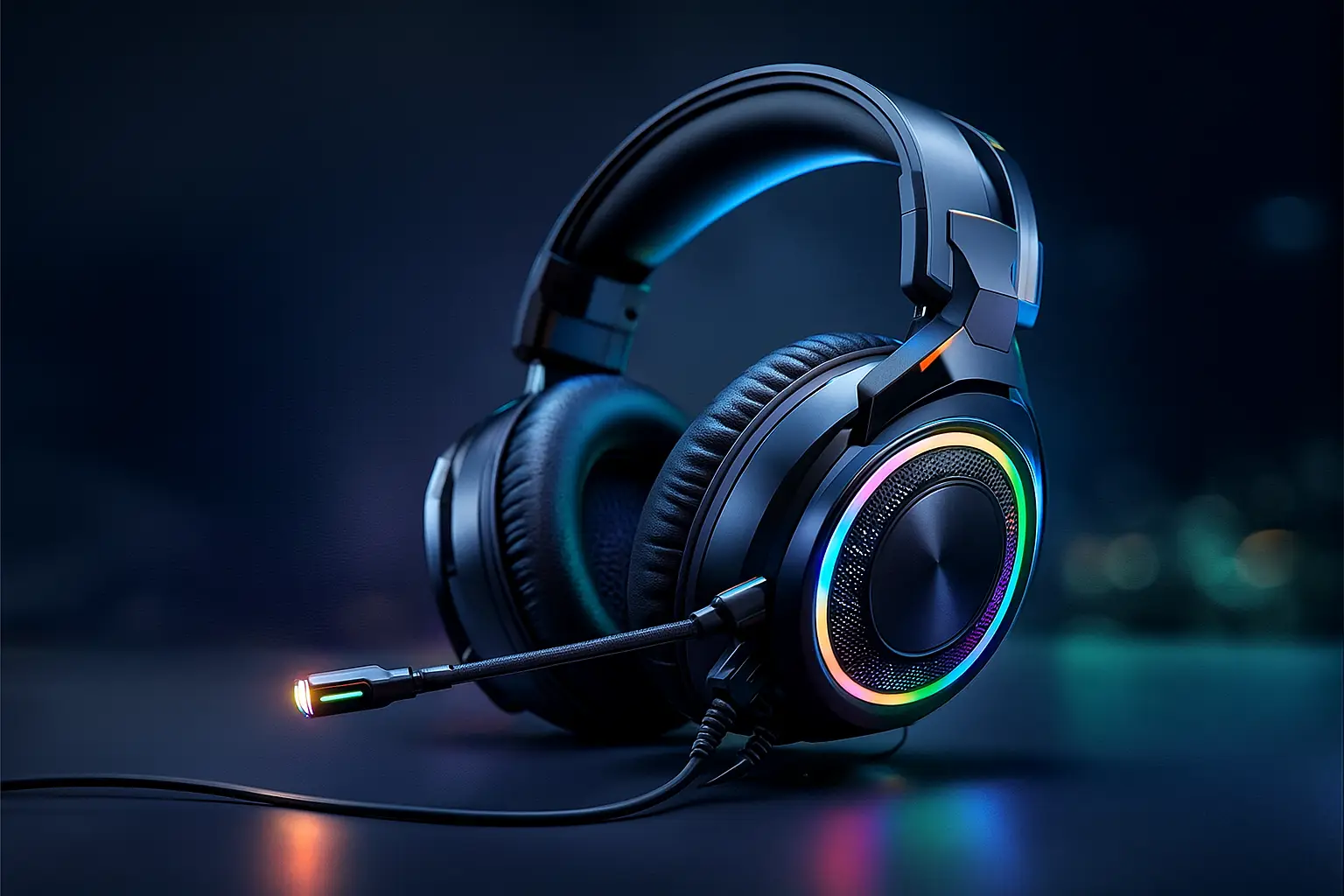
The design typically includes large, cushioned over-ear pads and a visually striking LED lighting, often in blue or RGB patterns, which gives it a gamer-friendly aesthetic. The headband is adjustable, and the build balances plastic with metal reinforcement to remain durable yet light.
For audio, this headset often features 7.1 virtual surround sound or stereo, depending on the exact model — which helps when playing on PC. The drivers are tuned to give a decent bass response without muddying up mid tones, so you won’t find it just blasting low-end at the cost of clarity. For console or mobile users, the Bluetooth mode works well for casual gaming, voice chat, and entertainment.
Battery life is a major highlight: many models of this type claim up to 70 hours of use, which is impressive and offers real value for users who don’t want to charge often. The mic is built with background noise reduction, helping teammates hear you clearly even when you’re gaming for extended periods.
On the downside, because it’s budget, audio fidelity won’t match high-end wired headsets, and 2.4 GHz wireless may introduce some latency in very competitive games. But if you prioritize comfort, long battery life, and flexibility, this headset is a compelling pick for mixed-platform gamers who don’t want to spend a ton.
5) Soundcore by Anker Q20i
The Soundcore Q20i by Anker is a truly versatile pick — not just for gaming, but also for commuting, travel, or daily listening. It’s a hybrid active noise cancelling (ANC) over-ear Bluetooth headset, and at around $45.10, it’s one of the most affordable ANC headsets on the market.
The Q20i offers up to 40 hours of playtime with ANC turned on, per Anker’s claims, which is impressive for such an affordable model. In addition, you can tweak sound profiles using the Soundcore app, giving you control over equalizer settings — something not always found in cheap headsets. For travel or work, the transparency mode helps you hear surroundings without taking off the headset.
Sound-wise, the 40 mm drivers deliver warm sound with good bass and clear mids. While not tuned specifically for gaming, it still performs decently in that role: footsteps, dialogue, and music are all intelligible. The ANC helps reduce constant background noise (like fans or air conditioning), which adds to immersion or focus, though it’s not as aggressive as premium ANC models.
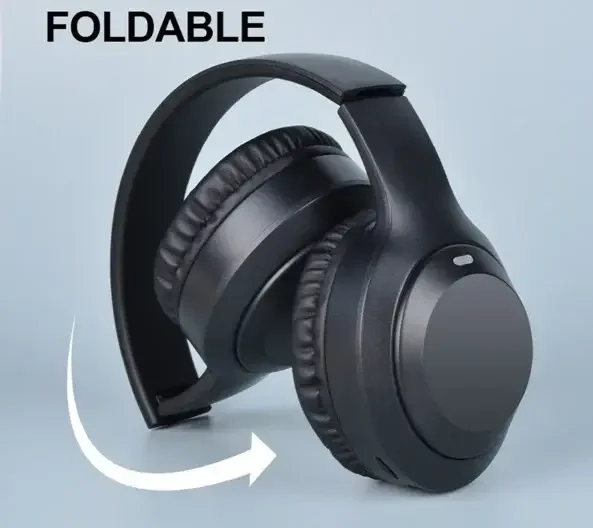
The build is practical: a foldable frame, cushioned ear cups, and a lightweight feel make it comfortable for long wear. The mic isn’t optimized purely for gaming, but it’s usable for calls or casual gaming voice chat.
If you’re looking for a headset under $100 majoring on portability and noise cancellation more than pure gaming performance, the Q20i is a strong pick. It’s ideal for players who mix gaming with daily life — commuting, working, or just relaxing — and don’t need ultra-low latency or super flat sound.
Buyer’s Guide — How to Choose the Right Headset
When you’re shopping for the best gaming headset under $100, it’s easy to get lured by flashy specs, but there are a few key areas that matter most. Here’s what to focus on to make your decision smarter.
1) Connectivity and Latency
Think about where and how you play. If you’re strictly gaming on PC or console, a wired headset like the G432 or Cloud II gives you zero latency and plug-and-play simplicity. But if you shift between devices (PC to mobile, or console to laptop), a dual-mode headset with 2.4 GHz wireless and Bluetooth (like the 4th option) offers more flexibility. Just remember: the more basic the wireless radio, the higher the latency may be in fast-paced games.
2) Comfort & Build
Sub-$100 headsets can still feel premium. Look for memory-foam ear pads (Cloud II does this very well) and a well-padded headband. Weight is important — headsets that are too heavy, like large wired ones, may become tiring. Also check the build: metal-reinforced headbands or durable plastic can make a big difference in longevity.
3) Sound Quality & Gaming Use
Decide which sound signature you need:
-
Immersive / cinematic: You’ll like bass-forward tuning (G432 or 2.4 GHz wireless)
-
Competitive gaming: Clarity and positional audio matter more (Cloud II’s 7.1 can help, or try equalizer profiles)
-
General use / music: Balanced tuning (Q20i) works well when switching contexts
If there’s virtual surround (“7.1”) available, see if it’s useful on your platform — some consoles don’t benefit as much unless you use a USB sound card or software on PC.
4) Microphone Quality
A good mic can make or break multiplayer experience. Choose a headset with a clear boom mic or one with noise-reducing design. Detachable mics (Cloud II) are great for when you don’t need voice chat. Also test mic reviews — cheap mics can pick up hiss or distortion.
5) Battery Life (if Wireless)
If you go wireless, check battery life. A headset claiming 70 hours is great, but make sure it’s for realistic use. Also check how long it takes to recharge and whether there’s a cord fallback when battery is dead.
6) Software & Extra Features
Some headsets include EQ software, virtual surround settings, or app support. Decide whether you’ll use these features or if they’re just “nice extras.” For players who don’t want to mess with settings, simpler setups like USB + 3.5 mm are perfectly valid.
Conclusion & Recommendation
Choosing a gaming headset under $100 means accepting minor compromises — but all five headsets listed here deliver real value. The Logitech G432 is ideal if you want solid surround sound and wired stability. Go with the Ozeino Wireless if you need long battery life and Bluetooth flexibility. The HyperX Cloud II remains a comfort king with reliable 7.1 on PC. If you prefer a light, dual-mode option, the 2.4 GHz / Bluetooth headset offers excellent freedom. Finally, the Soundcore Q20i brings ANC and portability for gaming, travel, and everyday use.
If I were in your shoes and needed one headset to cover most gaming and daily situations, I’d lean toward the HyperX Cloud II for its comfort, quality, and brand reliability — but for pure value, the Ozeino Wireless is a surprisingly strong wireless pick under $50. Choose based on how and where you play, and you’ll likely be very happy with any of these options.
Interested in some cheap / good quality gaming keyboards for your setup? Checkout our top 3 reccomendations for you Top 3 Gaming Keyboards Under C$50 – Best Quality/Price – GameZHaven